Posted in On Air

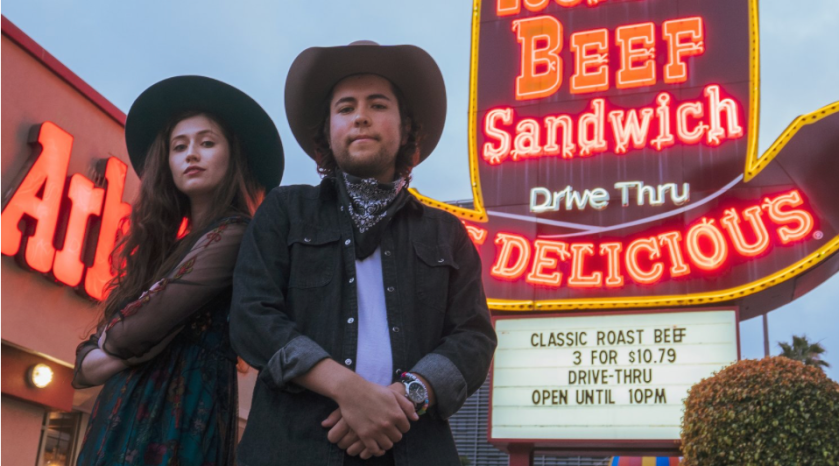
Country/Comedy Hybrid Band The Doohickeys Are A Surprisingly Thoughtful Riot

They made their way to Los Angeles to study comedy. They accidentally formed a country band. Haley Spence Brown and Jack Hackett of The Doohickeys have proven to be quite gifted in both realms.

The Doohickeys perform real country music while taking shots at tropes of the genre and pains of rural living. But they do it in a way that’s often loving and always healthy. Unbelievably, a song discussing ‘truck size’ turns into an opportunity to promote male body positivity and healthy sexual goals. It’s bold, unique, and funny. And it allows men to be satisfied with their appearance “as long as my lady gets to where she is going.”

“When we wrote it, we weren’t even really a band. We wrote it for sketch comedy,” said Hackett. “People have this machismo manly persona in country music. Very rarely do we talk about our insecurities.”

Shockingly, they originally planned for “I Wish My Truck Was Bigger” to be a slower song. It could’ve been ugly.

“You can’t do a real sad song about that,” Hackett added. “You have to laugh at it. I’m shocked at the number of deep dives there have been on this song. I thought people would just glaze over it but I’m happy about it.” 

There’s an important line in the song “This Town Sucks” that sums up their gentle touch: “I know I say I hate it here/but it made me who I am/so I can say it’s crap/but don’t think that means you can.” 

A few targets — an aggressive man at the bar, televangelists, and faux populist politicians — take a direct hit. But for the most part, The Doohickeys are laughing at themselves and celebrating things like Jack’s beat up truck and Haley’s hero of a father.

Hackett is from the Atlanta area while Brown comes from the rural Liberty, Missouri. 

“I think every mainstream country artist has a song about their small town and this is ours,” Brown said. 

While they aren’t aiming for mainstream country success, there’s plenty of commentary and discussion with the genre. One of the characters they take a less than kind view on in the title track is a country star from Seattle who fakes a Southern drawl. 

“I would argue that the vast majority of people from where I’m from are tired of musicians who pretend to be country,” said Brown. “They’re tired of politicians who pretend to be populists.”

Brown’s solution to the problem is hilarious and, considering her background in comedy, shockingly brilliant. 

“Have Congress work as a jury pool where we just randomly pull people to serve for two years,” Brown explained. “Cause it can’t be crazier than it is now.”

The pair were shocked how much love their song has gotten on both sides of the aisle, even as it took aim at mostly conservative leaning figures. 

“If you’re a televangelist, maybe just let us know what your net worth is, Hackett said. “Or maybe be taxed.”

What’s shocking is how good and meaningful one of their less comedic songs is. It tells the true story of Brown’s father, a lawyer who defends farmers against any governmental body looking to exercise eminent domain.

“My dad’s awesome,” Brown said. “I wanted to sit down and write a song that was authentically me but inspired by Dolly Parton.”

The song sounds quite a bit like Parton wrote and performed it. And compared to the subjects of “All Hat, No Cattle,” it’s a reminder of what a real populist hero looks like. It’s a man who left a job foreclosing on farms to defend the little guy who just wants to remain in his home.

“He saw what they were doing,” Brown explained. “He really wanted to get an inside view on their operations.”

Brown’s love for Parton runs deep. She received viral acclaim for an online audition to play Parton in a musical production. It just so happened she recorded it as the band fled Los Angeles during the recent wildfires. Brown doesn’t look much like Parton, but she absolutely has the voice and soul to perform her music. 

“It was a really nice positive moment in a really scary week,” she said.

There are some unhinged moments on the album that deliver on the promise of comedy. “Please Tell Me You’re Sleepin’” truly goes in an unexpected and hilarious direction. “Too Ugly To Hitchhike” is a good concept but perhaps a few decades too late. 

But most of the laughs come on songs like “I Don’t Give A Damn About Football.” A little comic exaggeration on a common but under discussed problem among country music fans — in this case a man more focused on football than his wife — and a couple of lines of observational humor, and you have a Doohickeys song. It’s solid blue collar humor that doesn’t resort to cruelty. Somehow, this occasionally raunchy album is one of the more unique and wholesome things you’ll hear in 2025. It’s just a beautiful thing that this project exists.

Above is the full episode as aired on WUSB’s Country Pocket, including both my interview with Haley and Jack and the songs we discussed, starting with This Town Sucks, which both roasts and stands up for small town living. The interview begins with the second video in the playlist. You can hear the show live every Tuesday at 12pm on WUSB 90.1 FM or check the blog to watch it as a YouTube playlist. Visit http://www.WUSB.fm and https://www.thedoohickeysband.com for more.
Posted in Uncategorized

John Depew Asks The Biggest Questions And Finds Simple Answers On The Near Perfect “Bell of Hope”

Progressive bluegrass is a genre all its own. The arrangements and movements are dazzling, complex, and imaginative. The lyrics, on many songs, feel like an afterthought. 

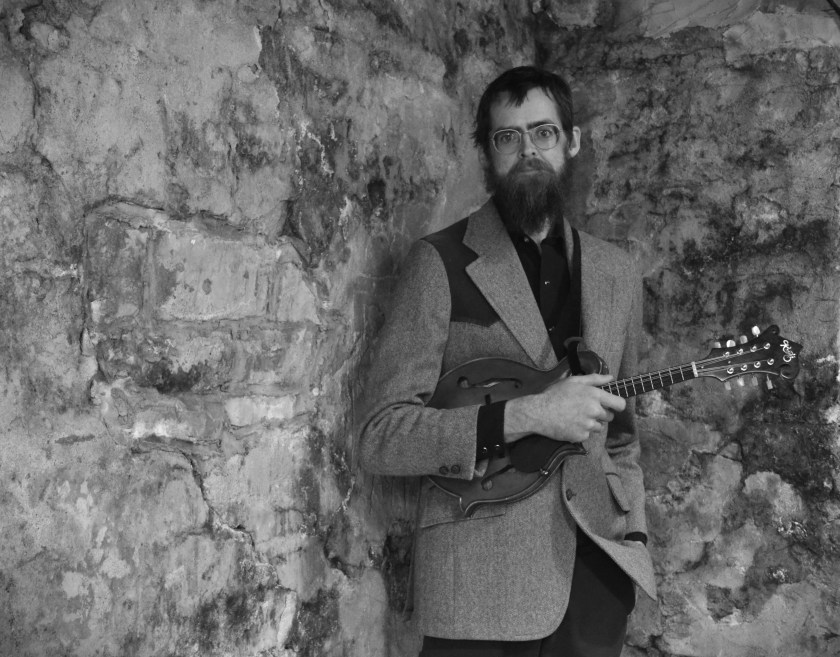
John Depew has the movements and the picking talent required to swim in the deep waters of the genre. He also has existential questions and hard won convictions about a few simple things that are important in life. His racing mind and the busy instrumentation swirl together on Bell of Hope. The result is strange and beautiful. It’s an album that features dozens on questions and maybe a handful of answers that somehow manages to satisfy. Phones ring. Eons pass. The natural world reveals its secrets. 

Put simply, Depew’s first full album is a magnificent high point in a genre that’s been too long stagnant and in awe of Chris Thile and jam bands. Depew’s voice sounds a lot like Thile’s, and the mandolin work isn’t quite at that level, but he thinks so much more deeply. 

“I’m maybe pathologically philosophical,” Depew explained when we spoke.

His first track, “Whale,” is about diving deep into his art as a way of life and a means of him supporting himself. He described the biblical imagery as familiar in his midwestern surroundings and said that while he tried to get on the phone with God in the song, his spiritual beliefs are more complex than the lyrics would suggest.

“When I use the word God, I’m talking about something quite a bit vaguer. I’m talking about whatever the creative force in the universe that makes everything happen,” said Depew. “There’s a certain idea in Christianity of God being this bearded dude. This person in the sky looking down on us with human-like thoughts going through his head. That’s not really what I mean, but I don’t really know what I mean.”

Regardless of who answered, Depew decided to climb inside the metaphorical whale. 

“It’s kinda freaking terrifying to leave a stable life and try to be a musician instead,” said Depew. “It’s a stupid thing to do. There’s a huge unknown, but I feel like I have to do this thing. There’s a place for me in this world, but I’m going to have to throw myself into it.”

Depew’s theory of life slowly becomes more apparent throughout the album. Nature is a source of inspiration and grounding, while natural history is proof of a greater plan.

“Anywhere you are in nature you can have a spiritual experience just by looking around,” said Depew. “I think it’s really important to recognize that although in a lot of cases it doesn’t always feel like it, humans 1000% are part of nature.” 

Birds in particular symbolize something important. He borrowed a concept from a Mary Oliver poem when he sang “They claim ownership of nothing/that’s the reason they can fly” on “Lesson.” 

“It’s very difficult for me to relinquish the concept of ownership as a white midwestern man from an agricultural society,” said Depew. “I really liked that idea when I read that in her poetry. The idea that freedom comes from letting go of the baggage that is our dominion over the world and letting ourselves exist.”

The swarming questions fade in the title track as some kind of answer emerges. Over the course of 12 minutes, Depew takes us through the history of the universe from the Big Bang to the emergence of human life. In the face of such a massive backstory, Depew feels as though ringing the “Bell of Hope” is all humankind can do. That can take several forms.

“The only thing I think I can really do is treat my wife and my kids with reverence and make meaningful connections with other people,” Depew said. “I think sitting in my bedroom thinking on these questions isn’t really going to do anything.” 

And yet in my case, it was all that questioning that sparked the connection. Depew saw our 40 minute conversation on topics ranging from the fabric of the universe to the strange rationals for genocide as another ring of that bell. 

“I could’ve written a 12 minute song about chasing tail in the bar and we wouldn’t have had this conversation,” said Depew. “In some ways ringing the bell of hope is just getting up every morning and trying to be a nice person.”

The last track, a celebration of good roots music, is a fitting way to close an album like this. “Joyful Sound” remarks on the way music can help us through hard times. Times are hard, but art like this is a powerful medicine. And the way Depew arrives at fairly traditional values through complex questioning of the world around him is decidedly refreshing. Even for radically different minds, time with loved ones is a common salve.

Above is the full episode as aired on WUSB’s Country Pocket, including both my interview with John Depew and the songs we discussed, starting with Whale, which is one of many songs on which John respectfully uses Christian imagery despite having more complicated beliefs. The interview begins with the second video in the playlist. You can hear the show live every Tuesday at 12pm on WUSB 90.1 FM or check the blog to watch it as a YouTube playlist. Visit http://www.WUSB.fm and https://johndepewmusic.wordpress.com for more.

Posted in On Air

Mallory Chipman Sends Out A Mournful, Loving Prayer On “Songs To A Wild God”

Mallory Chipman would love for you to come see the gorgeous wild plains of her homeland of Alberta. 

“Part of me has always thought that if folks could see it with their own eyes, they would feel the same way I do about this place being sacred and worth protecting,” said Chipman. “We as humans are part of this nature. We as humans are nature protecting itself when we take action.” 

On Songs To A Wild God, Chipman expands on her activism and spiritual connection to nature to create one of the more moving albums focused on environmentalism. The plea she makes is beautiful, multifaceted, and dire. It also regularly mentions waking up to the fact that there’s a problem. Recent summers have done that for Chipman, as wildfire smoke from British Colombia or even a national park in Alberta have made her skies hazy. One of her friends even became a climate refugee after losing her home and instruments to a wildfire.

“Most folks have work life balance and daily patterns they need to uphold just to get by. It can be really easy to let some of these collective responsibilities fall to the side, which I have a lot of empathy for,” said Chipman. “Until we have seen the destruction, we often don’t realize we’re capable of it. Sometimes we’re reminded that things are more dire than we think.”

“Saltwater Tears” underlines that urgency and hints at the album’s title with an encounter with a street preacher. He is predicting the end of the world and Chipman agrees, though not for the religious reasons he’d expect. “We’ve been praying to the wrong God the whole damn time,” she sings.

“Old Man River” hints at this conversion. In describing a decaying ecosystem, Chipman sings “I ask myself why didn’t I care until now,” hinting strongly that it’s too late in this case. 

Chipman benefits from a clear voice with a range that reaches to the skies. Though she’s tended toward indie rock thus far in her career, she’s a natural fit for folk music like this. The high notes she hits on tracks like “Sing Me Home” are impressive and sound a bit like birdsong. That, of course, feels right at home on an album like this.

“Mystic Time” is the one song on the album not rooted in nature and tells an extraordinary story of Chipman first discovering her heritage. Her father, who was adopted, did not discover where he came from until later in his life. Chipman sings of familiarizing herself with a culture and the hole in her history that was suddenly filled. On an album that serves as a warning call, a happy story is welcome. 

“Same Hands” is a standout both for its dreamy sound and the loss of innocence story it tells. It follows a young Chipman exploring her natural surroundings, picking lilies and bringing frogs home from the creek.

“I’ve always found a lot of kinship with these creatures. It was this innocent perspective of looking for friendship. Unfortunately, the next day they were belly up in their aquarium,” said Chipman. “I realized I can do as much damage as I can do good. As adults, that’s still true.” 

Chipman acknowledges that in an age of short attention spans, helping the environment can be a difficult concept to grasp. She points to her work removing invasive species near her home as an example of one of the speedier ways to make progress.

“You’re able to very quickly see when you come back the next summer how much more room there is for native plants. Even that, when I say it’s a shorter term thing, that’s a year away,” said Chipman.“We’re so used to instant gratification. The results are going to look different than that. Hopefully that’s not too discouraging.”

The album ends with an appreciative song about time spend in the wild and that invitation to Alberta. There are dire warnings on this album, but Chipman preferred to end it on notes of joyful reverence. It’s a leap of faith that people could be inspired to truly change, but for Chipman, the natural world and faith are quite intertwined

Above is the full episode as aired on WUSB’s Country Pocket, including both my interview with Mallory Chipman and the songs we discussed, starting with Saltwater Tears, which deals with themes as heavy as the end times and Earth crying. The interview begins with the second video in the playlist. You can hear the show live every Tuesday at 12pm on WUSB 90.1 FM or check the blog to watch it as a YouTube playlist. Visit http://www.WUSB.fm and https://www.mallorychipmanmusic.com for more.

Posted in On Air

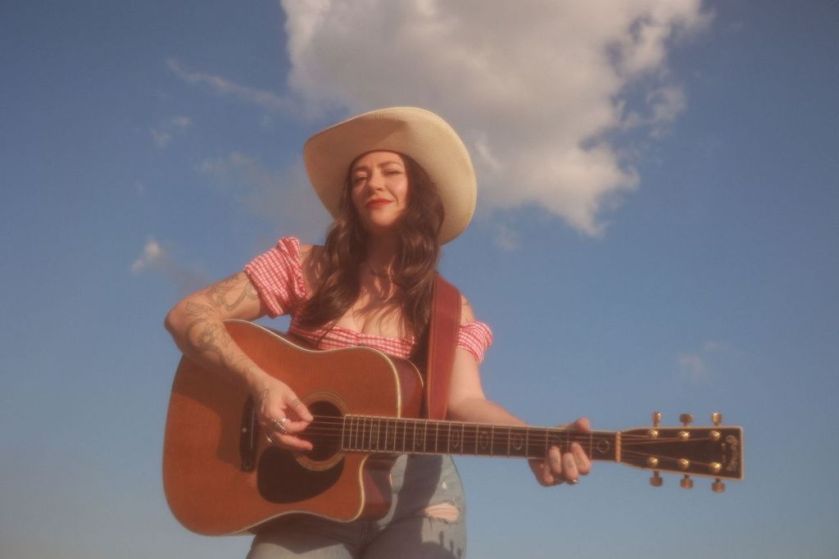
Hannah Juanita Sings About Her Passion For Music Like A Tennessee Songbird

“Whether we listen or not, the songbird sings,” goes the refrain on the title track of Hannah Juanita’s Tennessee Songbird. They’re words the singer understands: her sophomore album is a true love letter to music and performance and a recognition that they form the core of her identity. Her earnest words stand out even among the thousands of artists I’ve listened to for the show. When she chose to cover “Mother Country Music,” it was because of a sincere gratitude to the genre.

“It was very consoling and really changed my life and gave me a lot direction and peace that I hadn’t had before,” Juanita said.

Her song original song, “Peace of Mind,” celebrates that living a hard life on the road has given her a sense of wholeness that she wouldn’t trade for all the creature comforts of a stable home life. 

“I don’t know what else I would do anyway,” Juanita said. “It comes with the struggles but so does everything. A lot of this record is me coming to terms with that this is what I’m doing and accepting the challenges.”

Her decision to stick to a traditional country sound and forgo attempts at making waves in Nashville is just part of that inner peace. 

“I don’t feel like I’m trying to make it big,” Juanita said, emphasizing her commitment to the music. “I want to have a long career and I want to be financially viable and keep the show going.”

The financial and logistical struggles didn’t bear much mentioning to Juanita, but she does find social media uncomfortable and balance tough to find.

“You are supposed to be putting yourself out there constantly, daily,” she said. It’s not like it used to be where people did radio interviews and shows. It’s constant. “The type of person that’s an artist, you need to go inward and you need to close off to the world to recharge and get inspired and make your art and hone your craft.”

There might not be a solution there, but she found a truly beautiful one to avoiding the alcoholism and unbalanced lifestyle of the road.

“I bring my dog when I can,” Juanita said. “That forces us to plan ahead and get to the park or get to the lake and run around or go swimming. That’s build in outside time. It keeps me grounded.” 

Not every song talks about passion for music, but every song shows it. “Blue Moon” and “Loose Caboose” feel like tributes to classic country, though very different varieties. But it’s the much more original “Granny’s Cutlass Supreme” that feels like a classic. 

The song tells the story of an older woman with a nice car and a few bad habits. In an inexplicable stroke of genius, Juanita chose to duet with Riley Downing and his distinct, nearly impossibly low voice. Her and the Deslondes performer make a unique pair, but there’s no way this song was meant to be conventional. In a genre of tight jeans and dirt roads and trucks, a grandma in a bikini with a classic car is a fresh spin that gently pokes fun at cliches while somehow receiving the benefit of featuring those cultural touchstones.

“Granny is a wild woman,” Juanita said. “She has country livin’ wisdom that she wants to share with the world. People often get overlooked in their older age, but I think it’s cool that granny is still kicking it.”

Personally, I think this particular woman would be hard to overlook. Still, the standout song on the album is “Fortune.” Juanita portrays the concept of fortune as an ex who rightfully left her. 

It’s about “looking back over your life and decisions and choices and feeling like at one point you had fortune on your side and maybe it doesn’t feel that way anymore,” Juanita explained. 

The execution is gorgeous as are the female harmonies. Out of all the tracks on this album, it sounds the most like it’s performed by songbirds. Anyone who can write and sing like this, much like Granny, should not be overlooked.

Above is the full episode as aired on WUSB’s Country Pocket, including both my interview with Hannah Juanita and the songs we discussed, starting with Fortune, which is a like a breakup song, but with a concept. The interview begins with the second video in the playlist. You can hear the show live every Tuesday at 12pm on WUSB 90.1 FM or check the blog to watch it as a YouTube playlist. Visit http://www.WUSB.fm and https://hannahjuanita.com for more. Photo Credit Emily Danielle Jones.

Posted in Uncategorized

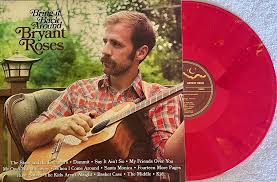
Bryant Roses Is Grateful For His Domestic Life, However Fleeting The Moments May Be

Most of the musicians I’ve interviewed on this show spend significant portions of the year on the road. A recent guest noted she played 160 shows in 2024 and immediately acknowledged it was a bit much. Bryant Roses is not one of those musicians. He works a day job and wouldn’t trade the road for the time he gets to spend with his three kids. 

The result is the type of album few touring musicians could produce. He dives fully into the small world of his home. Gardening takes center stage on a few songs. He documents the internal struggles and joys associated with raising kids like only someone fully involved in doing so can. 

“I like my domestic life and if that means sacrificing some of the potential success I’d have, I think that’s fine,” he said. 

He’s always enjoyed writing music and has used social media promotion as a way of sidestepping the touring. On his song “Small Star,” he celebrates the time he gets to spend with his wife as a result of his choice. He acknowledges that few will hear his music, but prefers that to being a bright shooting star. “We won’t burn out that easily,” he says.

“There’s a whole sea of small stars thanks to social media,” Roses said. “Anyone can make a song and have a million people listen to it and that’s more accessible to more people. Aside from all the pitfalls of social media, I do think there’s something beautiful about being able to make more artists.”

Artistry is something important to Roses, who has always been something of a songwriter. He started posting covers on social media and releasing new music in part to promote the idea that anyone can participate in something beautiful. 

“One of the reasons I started to pursue it again is for my kids,” Roses said. “It’s something that’s always been a big part of my life and it had taken a little bit of a back seat. But I really wanted to show my kids that you can pursue a creative life if you have a day job or aren’t living the life of a touring musician.”

The day job doesn’t get much mention, but the time with his kids certainly does. They’re the center of his world and he’s looking to make the most of his time with them. 

“Being a parent, you’re confronted with these moments of meaning that are so deep and so profound, but at the same time so fleeting,” Roses said. “The day to day life that may seem mundane are actually the kind of moments I want to stand in front of more fully and not just let them slip by.” 

“Hallelujah” is the closest he comes to complaining. There’s still plenty of appreciation, but the little difficulties get mentioning here. The title praise comes at the notion that eventually, he’ll get some sleep. This album is so noble and pure when it comes to parenting and love, so a little humor and realism goes a long way in making it relatable.

Gardening is a major part of the album, though the songs aren’t quite about maintaining a garden. In “Baby Redbud,” Roses is marveling at the experience of watching something under his care grow. It’s gorgeous to hear him sing about helping the tree through the winter and heartbreaking when he arrives at the eventuality that comes with being a parent: “I don’t want to leave but I got to.” In his telling, nurture is like watering a plant and pruning is a bit like stepping in when the kids are acting up.

“Exactly when it crosses the line gets pretty blurry when you have a bunch of boys laughing, and then wrestling, and then it gets a little too much,” Roses said. 

Echoing his father’s words, he noted that his role was changing as his kids got older: “As your kids age, the problems require a little bit less immediate attention but they get more complicated.”

The gardening metaphor extends to the internal struggles. Roses compares the early childhood years to a winter inside. 

“You’re focusing on keeping this small baby safe and fed and you just turn inwardly for an amount of time, Roses said. “When they grow up you slowly start to emerge into the world.” 

It’s not a coincidence then that he ends the album on a song called “In The Weeds” that marks going back into the world and the need to work on himself again. But that neat ending comes with a bit of a catch. At the time of our interview, the Roses had just brought their newborn third child home.

Above is the full episode as aired on WUSB’s Country Pocket, including both my interview with Bryant Roses and the songs we discussed, starting with Baby Redbud, which turns gardening into a bittersweet reflection on parenting. The interview begins with the second video in the playlist. You can hear the show live every Tuesday at 12pm on WUSB 90.1 FM or check the blog to watch it as a YouTube playlist. Visit http://www.WUSB.fm and https://bryantroses.comfor more.

Posted in On Air, Top Picks

Kaitlin Butts Reimagines Oklahoma With Modern Edge on Roadrunner

A few years back, a broadway production claimed to modernize a revival of Oklahoma with a more fitting Americana sound and grit. Naturally, Kaitlin Butts went to see the musical she’s so fond of when it came to Tennessee on tour. She wasn’t a fan.

“I was excited to see how they modernized it, I was excited to see how they include a non-binary person and a person in wheelchair, but I was so disappointed,” Butts said. “They didn’t change the script at all but they were wearing graphic t-shirts. They were husking corn and spewing beer onto the audience. I felt like they were mocking it.”

“Roadrunner” is her own attempt at reimagining Oklahoma, this time with mostly original songs and a truly country sound with a few cinematic touches of rock and, yes, musical theater. The result for Butts is a classic that includes gorgeous romantic duets, a strong and slightly dangerous female perspective, and perfectly placed Kesha cover that ties it all together with profanity, threats, and unbelievable charm. More than anything else, Butts succeeds at imagining a country sound that trades in pop impurities for more natural influences and character driven story telling. 

Roadrunner is my pick for album of the year and should serve as a roadmap on how to update some of the richest sources of material in American culture without losing anything by adding a feisty new perspective.

“Come Rest Your Head (On My Pillow)” should be considered a new country standard. The bonafides are absolutely there. The song rests on a foundation of fiddle and steel guitar with just a hint of more modern instruments. While Vince Gill provides the backing vocals, Butts carries the song with a performance that’s beckoning and just a little sad. Butts explained she intended the song for her husband, but wrote the lyrics to be open to interpretation; the song works just as well as an invitation to a “midnight flavor piece.”

Getting Vince Gill to contribute to the magic and give it his stamp of approval was the result of a magical night at the Opry. Though she didn’t notice as it was happening, Gill was on the side of the stage watching Butts’ performance closely. Afterward, he introduced himself and offered a hug. The fact that she secured such an impressive duet partner and fan still stuns Butts. 

“It’s weird to say, but I opened my Spotify Wrapped to see that song was one of my top songs,” Butts admitted. “I listen to it so often because hearing his voice on it catches me off guard every time. Just to remind myself that I had Vince Gill sing on one of my songs. That’s not real. That’s a hallucination.” 

Yet most of the magic of Roadrunner comes from songs that don’t sound like country classics. A cover of “Bang, Bang (My Baby Shot Me Down)” encapsulates Butts’ rock influences in a way that makes it sound like it’s playing at an arena or on the big screen. “Other Girls (Ain’t Havin’ Any Fun)” sees Butts arguing that she’s better off going after what she wants in a way that might not be considered lady like.

“There’s nothing I’ve ever gotten in my life that I haven’t charged for myself,” Butts said. “That sometimes includes men or job opportunities. I think if you go after what you want, you control your own destiny.” 

Tracks like “Hunt You Down” and “If I Can’t Have You” show a more dangerous side of Butts. Nothing shows that this update of “Oklahoma” has a thoroughly modern attitude than Butts declaring “If you fuck around, boy I’ll hunt you down.” The words were penned by none other than Kesha but sound more like a country song than you’d believe if you’ve only heard her hits. Butts said her lyrics about murder may not come from experience, but they’re a healthy expression of her genuine thoughts.

“The best way for me to get anger out is for me to write a song about it,” Butts said. “Then I get to profit off it. I’m gonna let God sort it out, because if I sort it out, I’m going to jail.”

“It’s the most fun thing that I can imagine to do is to just be passive aggressive in a sweet, southern way,” Butts added of her character’s tendency to have edge even when she wasn’t threatening murder. “You can say things delicately, but with a sword.” 

The final element that makes Roadrunner so uniquely charming is the way Butts mastered the spoken word. Whether it’s her snarky asides on “You Ain’t Gotta Die (To Be Dead To Me)” or the genuinely laugh out loud “Baby, I love you so much, don’t make me kill you” on “Hunt You Down,” Butts makes it clear she’s mastered the acting part of musical theater. She mostly uses her spoken lines for humor and making her characters feel more authentically sweet but tough, and it’s just one more reason that a musical makes for an amazing country album. 

“The humor is what I have always loved about theater and the story telling,” Butts said. “It’s such a weird comparison, but country music — they have so much in common. The way they express a sad song in a dramatic way. I definitely draw from musical theater when it comes to expressing that cheekiness.” 

The album closes with a song called Elsa, much like Oklahoma features a conversation with an older woman towards the end of its script. The story behind Elsa comes from actual experiences Butts had singing country classics at nursing homes.

“Whenever I would play old, classic country songs, their eyes would light up,” Butts said. “There would be people who weren’t quite necessarily in the room with us and they would wake up. It was so incredible to see that and how powerful music is.” 

Other tracks are worth mentioning on their own merits. “Spur” reminds us that people do better being respected and having self agency, especially in relationships. “Wild Juanita’s Cactus Juice” is full of fun alliteration and the sort of half-spoken singing that every musical needs. “Followed You To Vegas” is a shockingly sweet and tender happily ever after song. And “People Will Say We’re In Love,” the lone song from the original musical to make it onto the album, is sweet as ever with touches of folk.

If Oklahoma! was a romantic vision of what’s possible in the American West, Roadrunner is a charming vision of what Western music could look like borrowing the right touches of modern attitude and sound. Butts has produced great music before this, but she gains something extra from the winking relationship a musical has with its audience and the way 17 tracks allows her to expand the narrative and development of her characters. Roadrunner is a reminder that the mere presence of graphic tees or underrepresented characters doesn’t make for a modern story. Shifting perspective to a unique and independent woman with agency and confidence, however, makes for a beautiful work of art that both honors the spirit of the original and upends the norms of 50s culture. And not a single person needs to be drenched in beer.

Above is the full episode as aired on WUSB’s Country Pocket, including both my interview with Kaitlin Butts and the songs we discussed, starting with Other Girls (Aren’t Having Any Fun), which feels a little more school of rock than broadway musical. The interview begins with the second video in the playlist. You can hear the show live every Tuesday at 12pm on WUSB 90.1 FM or check the blog to watch it as a YouTube playlist. Visit http://www.WUSB.fm and https://www.kaitlinbutts.com for more.

Posted in Uncategorized

Protest Songwriter Lou Dominguez Expands To Cover Love and Faith on Hanging At The Luna Star

Lou Dominguez is a folk musician who hungers for the type of folk musician he grew up listening to. 

“Let’s go back to the 60s/the village beatnik scene/when heroic writers still mixed politics with song,” he sings in “For Steve Earle.”

Lou Dominguez also happens to be that kind of folk musician. He didn’t expect to be writing for such dark times, but he seems more than up to the challenge.

“Barack Obama became the president of the United States and I thought maybe, maybe we were done with this,” Dominguez said. “Clearly we’re not.”

While he praises Steve Earle, Ani DiFranco, and Tracy Chapman in his music, he’s struggling to find a prominent folk artist who is at their most relevant today for writing protest songs. 

The key word here is relevant. Folk as a genre has faded in popularity and while some Americana stars have found mainstream success, songs about love, loss, and substances have driven them there. Adeem the Artist may be releasing some of the most brilliant political material ever released, but they’ve gained relatively little attention beyond the No Depression crowd.

Dominguez believes that this is due in part to algorithms deciding too much of what we listen to. 

“It becomes about the numbers and computers,” he said. “Companies are companies and companies are in business to make money. They’re less concerned with people’s feelings.”

This hasn’t deterred Dominguez from releasing his own protest music over the past decade and a half. Hangin’ at the Luna Star is one of his more varied works; it features a few love songs and happy stories along side the more characteristic protest songs, which Dominguez knows how to write well. His deep knowledge of the issues is made all the more impactful by the way he makes it clear how these problems can impact his listeners.

“Our Maldives” advocates for action on the climate to rescue low lying islands but raises the stakes for his home state listeners when he points out Miami might not be far behind. “The United States of Debt” makes brilliant connections. He illustrates how the working poor are bringing their little government support in the form of food stamps to the same superstores that are underpaying them in the first place. He also nails the comparison between what’s going on now and the company stores of days gone by, a system most roots music fans know of thanks to “Sixteen Tons.” 

“It was a problem then and it’s a worse problem now,” Dominguez said. “We have another version of it. You still owe the company store at the end of the week, you just owe it on your credit card.”

His most audacious act on the album was writing a new verse to Chapman’s classic “Talkin’ Bout a Revolution.” It’s a little more about cultural issues than the financial topics covered in the original, but it certainly captures the topics that most animate progressives today. 

“It’s no disrespect in any form,” Dominguez said of updating the classic. “I felt like that song was written in the 80s and we are almost 40 years from there now. I felt like there were new issues. It wasn’t me feeling emboldened to think that I can write something better than Tracy Chapman at all. I was feeling that there was new stuff going on and putting that into the song would make it more interesting.” 

Less expected for Dominguez was the inclusion of a few love songs, something he’d avoided throughout his career. They’re more melancholy than passionate but detailed and classy.

“When it comes to love, I’ve never come out on the side that wins,” Dominguez said. “My love songs are going to be a little bit sad. I’m probably guilty of part of that.”

“Eddie Went to Nashville” is an inspiring heartbreaker in which death isn’t the end of the joy a relationship brings. “The Runner Up” is a highlight for how emotionally intelligent the man is. When he finds out his first love is divorced, he leaves the bar and looks at the sky. The song might seem like it’s preparing for him to take another chance at love, but he ultimately just says a prayer for her. It’s gorgeous and somehow much more satisfying than a happy ending.

“That’s not real,” Dominguez said. “The real story is he knew that it was over years ago so he gave up on it, but he doesn’t have any less love for her. I think it’s a nice way of saying goodbye.”

Interestingly enough, he had originally written a song about a failed relationship where he did not come off well.

“‘Just Anyone,’ when I started writing it, I was just broken up with a woman who had a son,” Dominguez said. “I wrote it from my perspective. I was lucky enough to have a woman friend who didn’t smack me in the face, but she might’ve well.” 

He changed some details and instead sang from the perspective of a father and husband who felt like his wife held him low on her list of priorities. Suddenly he was more sympathetic.

Dominguez also tells two different stories of religion on the album. On one, he protests against a faith healer of sorts who profits handsomely from her work. On the other, he calls the words “thank you” his “Simple Little Prayer” and shows he doesn’t need a church in his life to feel blessed. Taken together, they’re a roadmap to a healthier relationship with faith than the most public advocates of religion tend to have.

An amusing highlight of our interview was Dominguez introducing me to the term “Trump Load.” As in, Dominguez has parents who a Trump voters who he loves very much. But as a result, he’s uninterested in letting other Trump voters in his life. He already has his Trump Load. 

Dominguez knows that things will be rough for a little while, but he said he’s optimistic. He said the next two years will be rough, not the next four, so he’s expecting strong results in the midterms. Even if Dominguez is right, I suspect there will be material for a few new protest songs.

Above is the full episode as aired on WUSB’s Country Pocket, including both my interview with Lou Dominguez and the songs we discussed, starting with For Steve Earle, an appreciative call for more protest songs in these difficult times. The interview begins with the second video in the playlist. You can hear the show live every Tuesday at 12pm on WUSB 90.1 FM or check the blog to watch it as a YouTube playlist. Visit http://www.WUSB.fm and https://loudominguez.com/ for more.

Posted in Uncategorized

House of Hamill Finds Beauty in Dark Tales and Darkness in the Beauty of Nature

House of Hamill is led by Brian Buchanan and Rose Baldino, two married musicians with a background in Celtic fiddle playing. They are a contradiction in many ways. Lyrically, they are steeped in tragedy and even gore. Yet more often than not, they seem to be having fun with the material or find a way to convey a beautiful message. Even in their most pessimistic song, they encourage listeners to focus on the beauty of the world while they can. Meanwhile, their sound is an otherworldly blend of ancient folk and modern progressive sensibility. 

“When two musicians start a relationship, obviously, they’re eventually going to start writing together and see what comes out,” Buchanan explained. “I think the first couple of [House of Hamill] albums were just us grabbing every influence and thing we’d never gotten to do with our other bands and trying to impress each other”

Caroline Browning joining the trio marked a turning point. Harmonies and acoustic instruments were in, “wacky and wild” rock songs were out. The result is progressive folk like Americans have rarely heard because the backbone is so old world. With fewer modern influences, their take on “Silver Dagger” might be more welcome at a renaissance festival than a bluegrass festival. 

“Banks of the Brandywine,” their lead single, draws inspiration from tracks with percussive vocals like “Hayloft” from Nickel Creek and several by the band Metric. A mandolin and tightened strings provide a rhythm that feels fierce and urgent while the lyrics dive into horrors and urban legends.

“We really love old folk stories and we’re also big true crime fans,” Baldino said. “We often find these spooky stories and listen to a lot of podcasts because we drive a lot. Some of it is made up for sure, probably by teenagers, but there’s definitely folk lore that’s actually true. We like the creepy stuff.” 

“Usually truth is actually stranger and creepier than fiction,” Buchanan added.

A great example is the story of Michael Malloy, also known as the Rasputin of the Bronx. In 1932 the patrons of a bar took out life insurance on the heavy-drinking immigrant, thinking he’d quickly succumb to alcohol poisoning when being allowed to drink for free. He survived weeks of untold damage to his liver along with poisoning attempts, being doused with water while sleeping one off outside in the freezing cold, and being run over by a taxi. Other versions of the tale allege he was fled tacks, glass, and a machine gun shooting before finally being taken out by poison gas more than a month into the project. 

The song describes the frustration of his killers while giving off a sort of fun vibe. If taunting the failures of long since executed murderers can be mined for some joy, I’m all for it. The folk tradition, especially older songs, takes far too much joy in the actual murdering of lovers for anything on this album to be offensive. The suffering here is fodder for campfire tales far less lurid than a typical true crime podcast.

Wildfire features not just morbid enjoyment of dark tales, but inspiration in overcoming the darkness. If death can be played for spooky fun on this album, it can also be the source of tremendous tenderness and beauty.

“Into the Golden,” a traditional folk song by the standards of this band, is based on a William Butler Yeats poem called “Dream of a Blessed Spirit.” Sure, the poem is about someone dying. But the lines “When the stars but dimly shine/don’t go into the golden/light of the morning/with a troubled mind” are well, gorgeous whether it’s about ascending to the thereafter or simply starting a new day.

Twice on the album, House of Hamill departs from the world of lore and high art to tackle in-the-now type subjects. Twice, they show a knack for addressing painful issues with thoughtfulness.

It’s clear that “Shine” is a comeback story by the end of a refrain, though a difficult. The circumstances are not made explicit, but the main character is moving away after experiencing some kind of rejection by her church. The band revealed that it was about her seeking reproductive health, though it wouldn’t have shocked me if they said she was queer. 

Buchanan based it on stories “of people who thought they belonged in a community but then because of their life circumstances were forced to leave that community to find somewhere where they’d be respected or their rights would be respected,” he said.“I was inspired by the courage that it takes to make a break with your comfort zone and striking out on your own to find a place where you can truly shine and be yourself. We’re both lucky because we both have great families who are very supportive. But we’re also both proponents of the idea that your family can be the family that you choose. When you find the people who really are your tribe, they can be the ones who support you even when the other people in your life don’t anymore.”

There’s a great faith in the lyrics of “Shine” that our main character will find her way, if only by starlight. There’s nothing close to that kind of relief in the title track, which somehow ends the album on a more dour note than if it had concluded with a song called “Unquiet Grave.”

“It’s the realest [on the album], for sure,” Buchanan said of the track.“We were inspired because we had to go out and buy an air purifier because we couldn’t breathe in our own house. So very literally, by wildfires in Canada.”

The plume of smoke was memorable for many in New York, though House of Hamill saw it as a warning of a dark future to come. In their view, environmental degradation is coming and our best move would be to enjoy the beauty while it lasts. 

“It’s not a super hopeful song, unless you consider the image of a phoenix rising from the ashes to be a symbol of hope,” he added. “We did think the idea of a wildfire captured the imagery in a lot of the songs: the cycle of death leading to a new rebirth. So hopefully that comes through a little bit and it’s not just depressing.”  

For their part, House of Hamill is enjoying nature often. They speak highly of time spent in national parks, around mountains, and even decompressed on election night by sleeping in a cabin with a glass wall facing a wolf enclosure. 

“There’s no television in the cabin,” Buchanan said. There’s spotty internet and cellphone reception. So you’re sort of forced to just sit there by a window looking at nothing and waiting. Every few hours an incredible creature will come wandering by, and that’s just how it is.”

Wildfire may be a dark song and album, but House of Hamill is taking their own words to heart and soaking in every source unique, glimmering light they can find.

Above is the full episode as aired on WUSB’s Country Pocket, including both my interview with Buchanan and Baldino and the songs we discussed, starting with Banks of the Brandywine, which began without a specific river in mind. The interview begins with the second video in the playlist. You can hear the show live every Tuesday at 12pm on WUSB 90.1 FM or check the blog to watch it as a YouTube playlist. Visit http://www.WUSB.fm and https://www.houseofhamill.com/home for more.

Posted in On Air

The Radical Joy of Twisted Pine and Love Your Mind

When I first met Twisted Pine, they were playing a festival on the island and had just released an EP primarily composed of Bill Monroe covers. They were talented, if not particularly unique. Things have changed. 

Clearly, they’ve been listening to most everything. Their progressive sound contains everything listed above, along with some pop and country. Above all, it’s fun and joyful. 

“When the four of us get together and get on stage, there is certainly an element of playfulness and fun and humor in our personalities that comes out in our music,” said mandolinist Dan Bui, noting that capturing that experience was a major goal when recording the album.

“It almost feels radical in a way,” added upright bassist Chris Sartori. “There’s so much sorrow out there in the world and it feels like something we can generate for ourselves and give to our audience.” 

Anh Phung, the band’s flutist, was the only member not available for the interview. Yes, this is a bluegrass band with a flutist. And yes, it works. The band may take on many styles, but they remain an acoustic outlet with (mostly) traditional bluegrass instruments even on their funkiest tracks.

Joy is quite literally the topic of standout single “Goosebump Feeling.” Parks says the feeling comes in waves, though sometimes she doesn’t expect that it will ever come back. 

“It’s continuous ups and downs. Sometimes you’ll even out but it’s nice when you catch that high,” Parks said.

“After Midnight (Nothing Good Happens)” captures a very specific moment of joy through which the band bonded and honed their sound: late nights at a bluegrass festival.

“That’s when the real fun of the festival is just getting started,” said Bui. “Everybody goes back to their campsite, they start breaking into their cooler, they start grilling, they build a fire, and start picking tunes.”

The members Twisted Pine make for particularly interesting guests at a campfire thanks to the presence of Phung. 

“The way Anh plays, she’s really good at blending her sound in with traditional instruments,” Sartori said. “People get excited about the flute because it’s so unique and Anh is usually the only flutist at the jam, although recently there’s been an influx. She’s building a little flute army.”

On the track the band acknowledges that factors like mosquitoes, nausea, and the simple difficulty of functioning the day after an all-night pickathon can lead to some regrets. They also know they’ll be back. 

The instrumentals on the album are already unique by virtue of the flute. So the genre-bending and playfulness put them into a category of their own. At least until the flute army gets recording contracts, these will be some of the most recognizable instrumentals of any bluegrass band. 

“A Beautiful Phase” is the only slower, plaintive track on the album, somewhere between reminiscing and regretting. But if any of these songs can be said to have a slight edge to them, it’s “Chanel Perfume.” It’s far and away the track least influenced by bluegrass and serves as notice to a man wasting the singer’s time. 

“Don’t use up my time in this way; I’m trying to get out there, strut my stuff, be free, be me, and I don’t need someone standing in my way,”  Parks said, taking on a slightly silly and chill tone of voice. She then switched to a serious tone. “In this day and age, for women in particular, there are so many people trying to take away what is ours.”

Quickly though, Parks said she wasn’t looking to elaborate on those comments. There is certainly a complex and difficult world out there, but Love Your Mind is about the joy.

Above is the full episode as aired on WUSB’s Country Pocket, including both my interview with Twisted Pine and the songs we discussed, starting with After Midnight, which captures the joy present throughout the album by describing a bluegrass festival. The interview begins with the second video in the playlist. You can hear the show live every Tuesday at 12pm on WUSB 90.1 FM or check the blog to watch it as a YouTube playlist. Visit http://www.WUSB.fm and https://www.twistedpineband.com/home for more.

Posted in Uncategorized

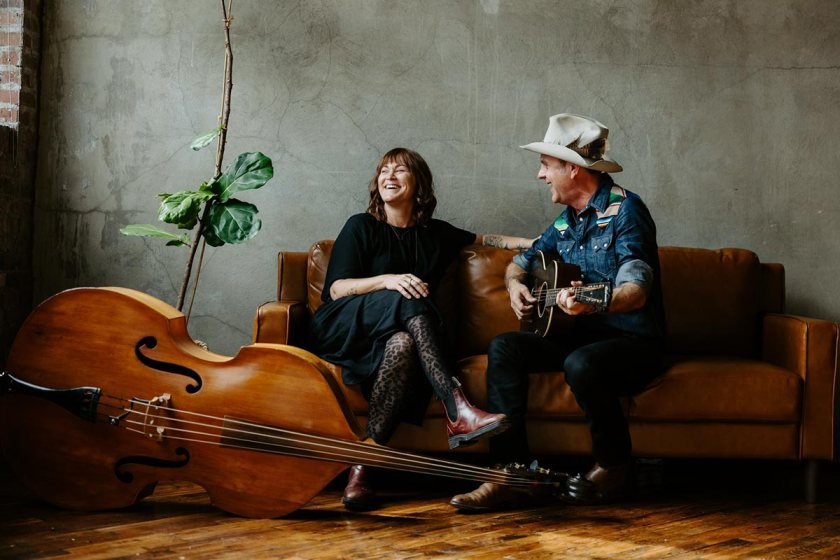
For Wild Ponies, Love Overcomes All On Their Quest For Parenthood

Doug and Telisha Williams of Wild Ponies have a family now. With traditional procreation not an option for them, they turned to adoption and fetal embryo transfer to get their children River and Iris. Dreamers, as an album, documents this process along with the joys, pains, and anxieties of being responsible for tiny lives. 

“We looked at it like a quest like Legends of Zelda,” Doug said. “It didn’t matter what you had to do to get the parts, but you had to collect the pieces to make a family.”

As much as parenthood has changed their day to day and touring mindset, it’s also changed them.

“I’m up a lot earlier than I used to be, but it’s really fun to watch them learn and pick things up and think things out and interact with each other,” Doug said. 

”It’s also beautiful to see your partner — we’ve been together since we were in high school — and it’s been such a beautiful experience to see Doug as a dad,” Telisha added. “He’s a great dad. He’s so patient and so quick to do the most fun things. I’ve known Doug most of my life, but now I’m seeing this whole new human.” 

The anxieties and pains of parenthood are ever present on this album. Few songs will ever hit quite as hard as “Love You Right Now,” a description of caring for a foster child right before they’re due to be moved. Small sweet memories like making breakfast have to be stretched a lifetime. And yet, you can’t think about preserving them in the moment.

“I think the trick to doing that is not having an attachment to that particular outcome,” Doug said. You’re focused on the future instead of not letting it slip away.”

The foster process resulted in the couple and their partner Laura getting to keep their son River. But it also produced some heartbreak, like when the government came to place a child a week earlier than expected. Suddenly, the family had a few hours to say goodbye. 

“What a zen experience it is to foster, because you just don’t have a lot of information about the history  on these kids and you also have no idea what their future holds,” Telisha said, admitting that she regularly cries when performing “Love You Right Now.” “You have no idea how long they’re going to be with you. I had to be all in in every moment that we did have them in our care.”

The family is still in touch with that child and speak glowingly about where he ended up. 

“It’s a complicated grief, because I’m so thrilled that it’s working out for this kid,” Doug said. “But you can’t help but to grieve a little bit for someone who’s not going to be in your life in the same way anymore.”

Other anxieties and sorrows are present throughout. “Bury The Young” was written in response to school shootings, and gun policy is just one reason the Williams thruple are considering leaving Tennessee despite loving Nashville.

“We live in a state where when we had a big school shooting in our city, our governor and state legislature super majority decided that the best response was not to get guns out of schools, but instead to pass laws to allow the teachers to open carry in the classrooms and require firearms training for the students,” Doug said. “It’s just weird to look at the rest of the world and see what works and to see folks in America moving in what’s so clearly the wrong direction.”

The fetal embryo transfers had their own issues. Though Iris is alive and well, their first attempt didn’t take. 

It’s a bittersweet context to the song “Heartbeat,” where Telisha is thrilled to hear new life developing within and holding as tight as she can to it.  

In Tennessee, where abortion, drag queens and certain books are regularly listed as among the top threats to kids, this queer family is giving their all to making foster children feel loved and finding any way possible to bring life into the world, even if it meant the baby shared neither of their DNA. Iris has genetic siblings, just with different parents giving birth to each one. 

“It came with a community,” Telisha said. “It came with a whole other set of people who get to be a part of our family.”

The joys, the unconditional love, the hanging onto memories and tradition, those feelings make up just as much of the album as do the difficulties. It’s an honest album that captures every high, low, and nuance in between. It tells a truly unique story authentically and should be heard by all perspective parents, even those seeking a more traditional experience. In the end, it’s a later track that sums up the Williams’ determination that somehow overcame all the harsh realities stacked against them.

“Wind, love, and water go damn well where they please,” Telisha sings. By embodying that love, Wild Ponies completed their quest and elevated themselves to the status of force of nature.

Above is the full episode as aired on WUSB’s Country Pocket, including both my interview with Wild Ponies and the songs we discussed, starting with Love You Right Now, which details a hasty goodbye to a foster child and regularly produces tears for the band at live performances. The interview begins with the second video in the playlist. You can hear the show live every Tuesday at 12pm on WUSB 90.1 FM or check the blog to watch it as a YouTube playlist. Visit http://www.WUSB.fm and https://www.wildponies.net for more. Photo by Laura Schneider.